How to Find a Good Builder: A Practical Guide for Homeowners
Finding the right Ribble Valley Builders for your project can make a major difference to the experience from start to finish. Whether you are planning a home extension, barn conversion or new build, choosing a good builder means looking beyond the price and considering experience, communication, reliability and the quality of previous work.
With so many building companies to choose from, it can be difficult to know where to start. The good news is that a little research before work begins can help you make a confident decision and avoid problems further down the line.
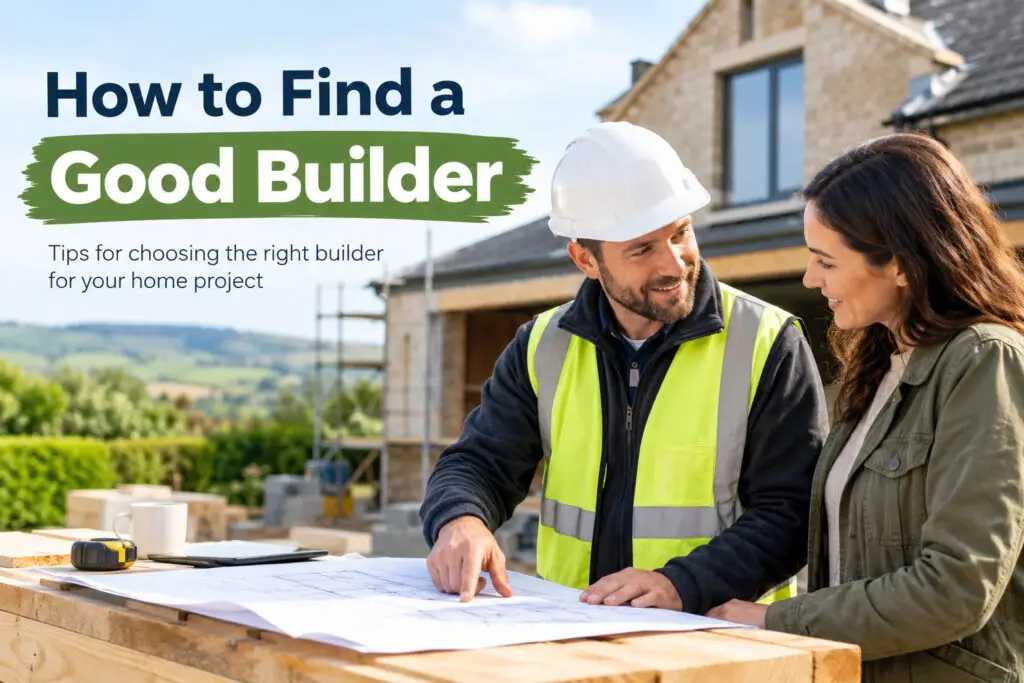
Start by Researching Local Builders
A good starting point is to ask people you know for recommendations. Friends, family and neighbours who have recently completed building work can give you useful insight into what it was actually like to work with a particular builder.
Online reviews can also help you create a shortlist. Look at feedback on platforms such as Google, Trustpilot and relevant trade websites, but don’t rely on ratings alone. Read the comments to understand what previous customers liked about the builder and whether there were any issues during the project.
For homeowners in the Ribble Valley, choosing a local building company can also make communication and site visits more straightforward. A builder familiar with the local area may have a better understanding of the type of homes, projects and requirements commonly found across the region.
Look at Experience, Qualifications and Previous Work
Once you have a shortlist, look closely at each builder’s experience. The right company should have experience with projects similar to yours, whether that is an extension, renovation or new build.
Ask about previous projects and, where possible, request references from past clients. Speaking to previous customers can give you a much clearer picture of how a builder works. You can ask whether the project was completed to the expected standard, whether costs were managed properly and how well the builder communicated throughout.
It is also worth asking to see examples of completed work. Good workmanship is easier to judge when you can see the finished results for yourself.
A reputable builder should also be able to provide appropriate insurance and relevant qualifications or registrations for the work they undertake. These checks can give you greater confidence before committing to a project.
Don't Automatically Choose the Cheapest Quote
Getting several quotes is an important part of choosing a builder. For a significant project, it is sensible to request detailed written quotations from at least three companies so you can compare what is included.
Look beyond the final figure. A useful quote should make clear what work is included, along with labour, materials and any other relevant costs. If one quote is considerably cheaper than the others, ask why.
The cheapest option is not necessarily the best value. A good builder should provide a realistic price for the work and be clear about what you are paying for. A detailed quotation can also reduce the likelihood of unexpected costs or disagreements once work has started.
If something in a quote is unclear, ask. It is much easier to resolve questions before the contract is signed than once construction is underway.
Choose a Builder Who Communicates Clearly
Good communication is one of the simplest ways to judge how a building project is likely to run.
From your first conversation, consider whether the builder listens to your requirements, answers questions clearly and keeps you informed. They should be willing to discuss potential challenges, delays and additional costs rather than avoiding difficult conversations.
Reliability matters too. Does the builder arrive when they say they will? Do they provide information and quotations when promised? Are they realistic about when they can start your project?
Your relationship with your builder matters, particularly if the work will take several weeks or months. You should feel comfortable raising questions and discussing changes throughout the project.
Make Sure the Contract and Payment Terms Are Clear
Before work begins, make sure you have a written contract that clearly sets out the scope of the work, expected timescales and payment arrangements.
For larger projects, a standard form of contract such as a JCT agreement may provide additional clarity and protection for both parties. The right approach will depend on the size and nature of your project, so make sure you understand the agreement before signing it.
Payment terms should also be agreed in advance. Be cautious about making large upfront payments. A reputable builder will typically agree a deposit and staged payments linked to progress. You should also receive clear invoices throughout the project.
It is worth checking these details carefully before work starts. Clear agreements help both you and your builder understand what is expected and can prevent unnecessary disputes later.
Choosing the Right Builder for Your Project
Finding a good builder is about more than comparing prices. You are choosing someone who will have a significant role in your home or development, so experience, workmanship, communication and reliability all deserve careful consideration.
Take time to research your options, speak to previous customers, look at completed projects and ask questions before making a decision. Most importantly, choose a building company you feel understands your plans and can deliver the standard of work you expect.
If you’re looking for experienced Ribble Valley Builders for a home extension, new build or barn conversion, contact us today to discuss your upcoming project.